Light Fixture Installation & Commercial Fixture Replacement in Plano, TX: LED Tubes, Retrofit Kits or New Fixtures?
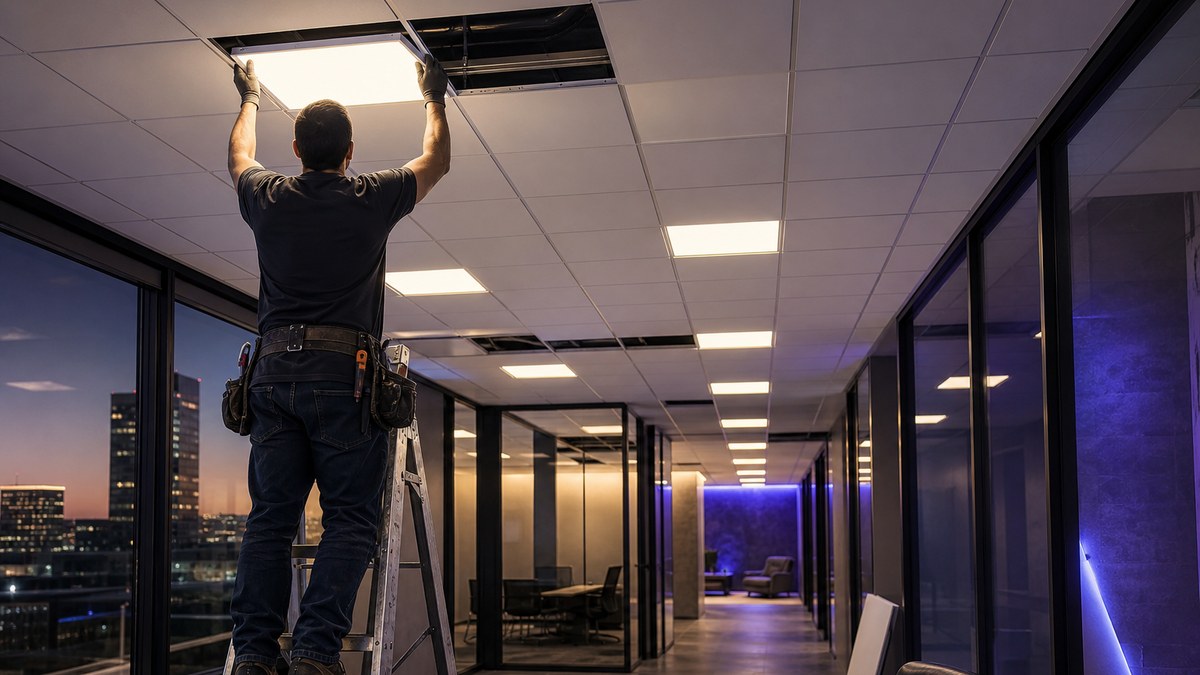
Light fixture installation in Plano, TX looks simple from the floor: take the old fixture down, put a new one up. In a commercial building it rarely is. Every office suite, retail store, restaurant, clinic and warehouse in Plano has a mix of fixture types, ceiling systems, circuits, controls and emergency lights, and each one affects what can be replaced, how it should be replaced and how long the result will last. A fixture swap that ignores those details can leave you with flicker, mismatched color, dead emergency lights or a ceiling full of products that fail early.
This guide is for property managers, facility teams, business owners and tenants in Plano, Legacy, Frisco, Allen, Richardson and the rest of Collin County who need to install new commercial light fixtures or replace old ones. It explains the three main ways to move from fluorescent, metal halide or early LED to modern LED (LED tubes, retrofit kits and new fixtures), how to decide between them space by space, what a professional replacement project includes, and the details that separate a clean job from one you will be fixing again next year.
Commercial light fixture replacement in Plano usually means choosing between LED tubes in existing fixtures, LED retrofit kits inside existing housings, or complete new LED fixtures. The right choice depends on fixture condition, ceiling access, controls and how long you plan to keep the space.
- LED tubes (TLEDs): fastest and least disruptive, but they keep the old fixture body and offer limited control options
- Retrofit kits: new LED engine and driver inside the existing housing, with better performance and room for sensors
- New fixtures: best long-term result, widest control options, ideal when housings are damaged or the space is being refreshed
- Who does the work: a licensed electrical contractor, especially for ballast-bypass tubes, kits and new fixtures
- Don't forget: emergency lighting, controls, color consistency and proper recycling of old lamps and ballasts
- Pricing: a project-specific proposal after a walkthrough
When it's time to replace commercial light fixtures
Most fixture replacement projects start with a nuisance, not a plan. A few lights flicker, a ballast hums, a corner of the parking lot goes dark, or a tenant complains about glare. Those symptoms are worth taking seriously because they usually point to a wider pattern in the building.
- Repeated lamp and ballast failures: if maintenance staff are on a ladder every week, the fixtures have reached the point where repairs cost more time than they save.
- Flicker, buzzing and slow starts: classic signs of aging magnetic or electronic ballasts, and of metal halide lamps near the end of their life.
- Mismatched color: a ceiling with yellow, pink and blue-white tubes side by side tells visitors the building is not cared for.
- Yellowed lenses and damaged housings: brittle diffusers, rusted parking lot heads and broken louvers reduce light output and look tired.
- Discontinued lamps: many older fluorescent and HID lamp types are harder to find, and stocking spares becomes a problem.
- A remodel, re-lease or new tenant: the best time to replace fixtures is when ceilings are already open and the space is empty.
- Energy and maintenance goals: lighting runs long hours in most commercial buildings, so it is one of the most practical upgrades to reduce energy use and service calls.
In Plano, older office parks along the Tollway and US-75, neighborhood retail centers on Preston, Park and Coit, and flex buildings in east Plano often still have fluorescent troffers, compact fluorescent downlights and metal halide high bays and poles. Many were installed decades ago and are now due for replacement as a group rather than one fixture at a time.
Three ways to replace fixtures: tubes, kits or new fixtures
The U.S. Department of Energy's guidance on upgrading linear fluorescent lighting describes the same basic options we use on every walkthrough. Each has a place, and most buildings end up using more than one.
1. LED tubes (TLEDs)
Tubular LEDs replace fluorescent tubes inside the existing fixture. They come in several types, and the type matters more than most buyers realize:
- Type A ("plug and play"): runs on the existing fluorescent ballast. It installs fastest with no rewiring, but the system still depends on an old ballast, and when the ballast fails both the ballast and tubes may need attention. Compatibility with the specific ballast must be confirmed, and older ballasts are a poor match.
- Type B (ballast bypass): the ballast is removed and line voltage is wired directly to the sockets. It no longer depends on a ballast, but the fixture is permanently modified, it must be clearly labeled, and only qualified electricians should install or service it.
- Type C (external driver): the ballast is replaced with a separate LED driver that powers low-voltage tubes. It is the safest and most efficient tube option and works better with controls, but it costs more and can tie you to one manufacturer's tubes and drivers.
- Hybrid or dual-mode: tubes that run on a ballast now and can be rewired to bypass it later.
DOE guidance also recommends not mixing Type A and Type B tubes in the same building, because a maintenance tech can easily install the wrong tube in the wrong fixture. That is a real safety and reliability issue in multi-tenant properties where several vendors have worked over the years.
2. LED retrofit kits
A retrofit kit keeps the fixture housing that is already in the ceiling and replaces everything inside it: sockets, ballast and lamps come out, and a new LED light engine, driver and diffuser go in. Kits are popular for 2x4 and 2x2 troffers, strip lights, high bays and some downlights. They manage heat better than tubes, usually look close to a new fixture from below, and many include mounting points or integral sensors for occupancy and daylight control. Because the housing stays in place, ceiling tiles and grid are disturbed less than with a full replacement.
3. New LED fixtures (luminaires)
A complete new fixture is designed around LED from the start: optics, heat sinking, driver and controls are engineered together. New fixtures offer the widest control options (dimming, scenes, scheduling, networked monitoring), the lowest risk of early failure and the best appearance. They require full ceiling access, more labor and disposal of the old fixtures, but when housings are damaged, a space is being remodeled or the goal is a clearly better lighting design, they are usually the right answer.
| Option | Best for | Watch out for |
|---|---|---|
| LED tube, Type A | Short-term holds, limited access, tenant spaces near lease end | Depends on aging ballasts; limited dimming; compatibility checks |
| LED tube, Type B | Fixtures in good condition where ballasts keep failing | Permanent rewiring, labeling, electrician-only service |
| LED tube, Type C | Owners who want tubes but better control and safety | Higher equipment cost; matched tubes and drivers |
| Retrofit kit | Sound housings, occupied spaces, adding sensors | Some troffer designs are hard to retrofit; listing of the kit |
| New fixture | Remodels, damaged housings, design upgrades, full controls | Ceiling access, disposal of old fixtures, more labor |
There is no single correct option for an entire building. A typical Plano office might use new fixtures in a renovated lobby, retrofit kits across occupied office floors, and new LED high bays in a warehouse bay, all specified to the same color temperature so the property looks consistent.
Choosing fixtures space by space
Fixture replacement goes better when each type of space gets the fixture it actually needs instead of one product everywhere.
Offices and conference rooms
Flat-panel and center-basket LED troffers are the most common replacement for 2x4 and 2x2 fluorescent troffers. Look for low-glare optics, good uniformity on desks and screens, and drivers that dim smoothly without flicker. Conference and meeting rooms benefit from dimmable fixtures and simple scene controls so presentations and video calls are comfortable. Our Plano commercial LED guide covers office lighting in more depth.
Retail sales floors
Retail fixture replacement is about color as much as efficiency. Choose high-CRI fixtures with strong red rendering, keep color temperature consistent across the floor, and pair ambient fixtures with adjustable track or accent heads on displays. See our shopping center and retail lighting guide for more.
Restaurants and hospitality
Dining rooms need warm, dimmable downlights and decorative fixtures that support the brand, plus durable, wet-rated fixtures in kitchens, walk-ins and patios. Dimming compatibility between fixtures and controls is the most common problem we see after a do-it-yourself swap.
Warehouses, flex space and back-of-house
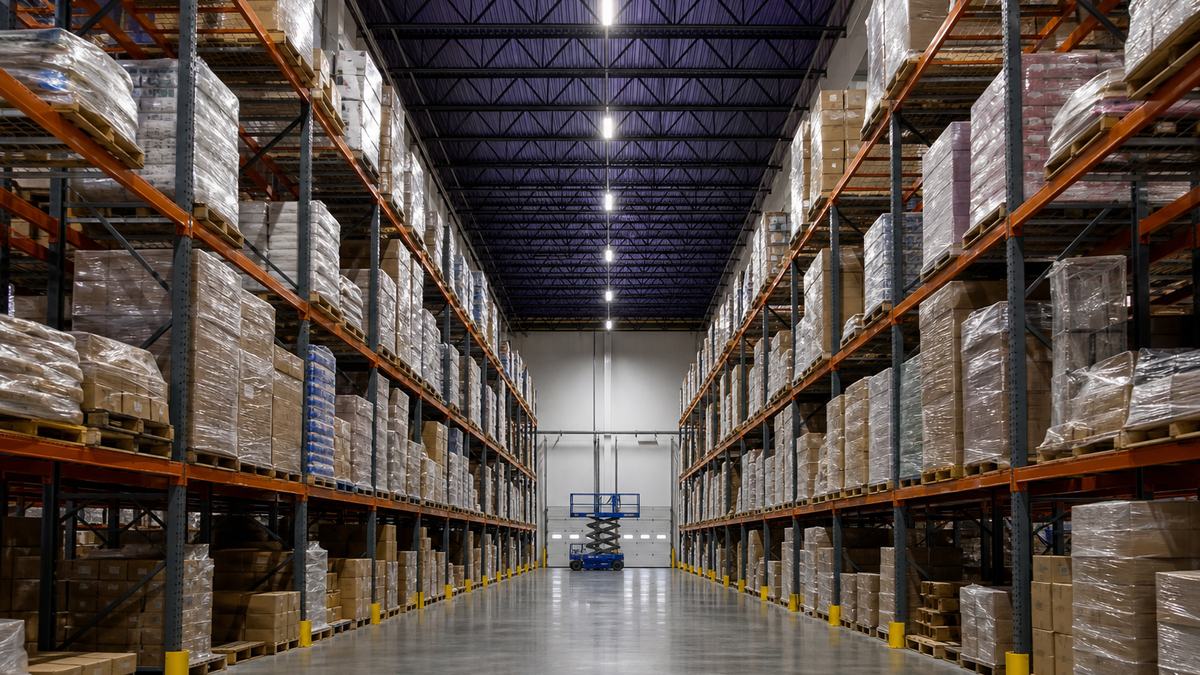
Metal halide and T5 fluorescent high bays are typically replaced with LED high bays or linear high-bay fixtures. Optics matter: aisle distributions for racking, wider distributions for open floors. Integrated occupancy sensors make sense in aisles and areas used only part of the day.
Corridors, stairwells, restrooms and parking garages
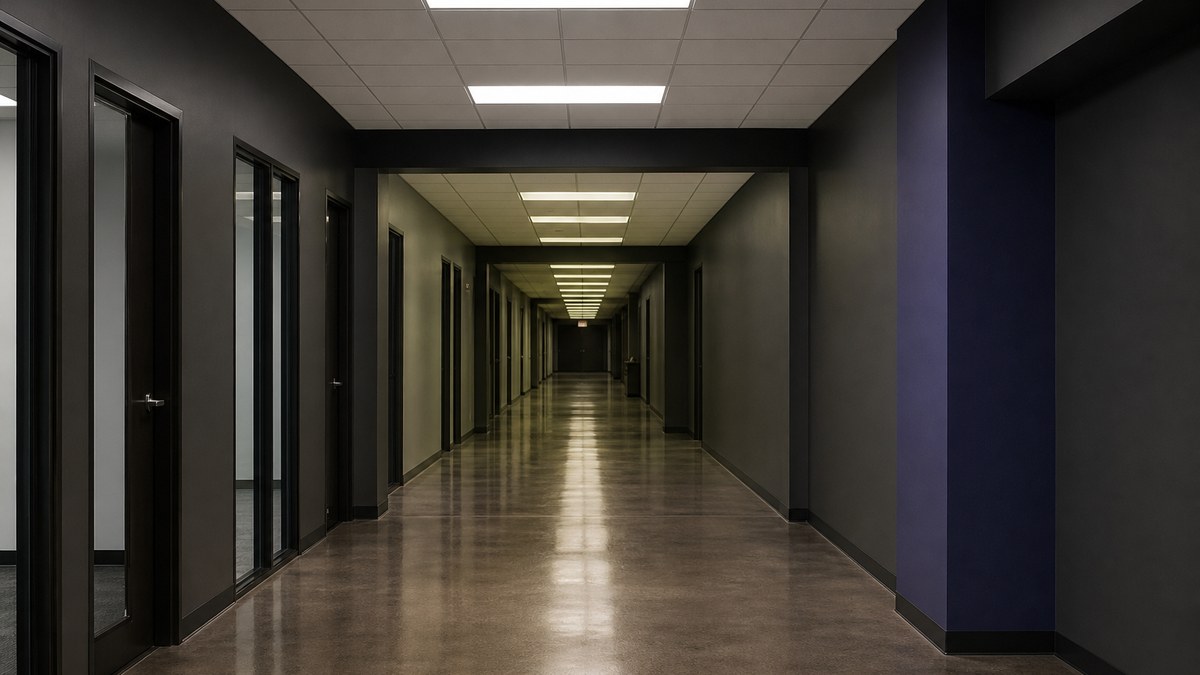
These spaces run long hours and are often ideal for fixtures with built-in occupancy sensors that drop to a lower level when no one is present. Stairwells and garages also need careful attention to emergency lighting and code requirements.
Exterior: wall packs, canopies and parking lots
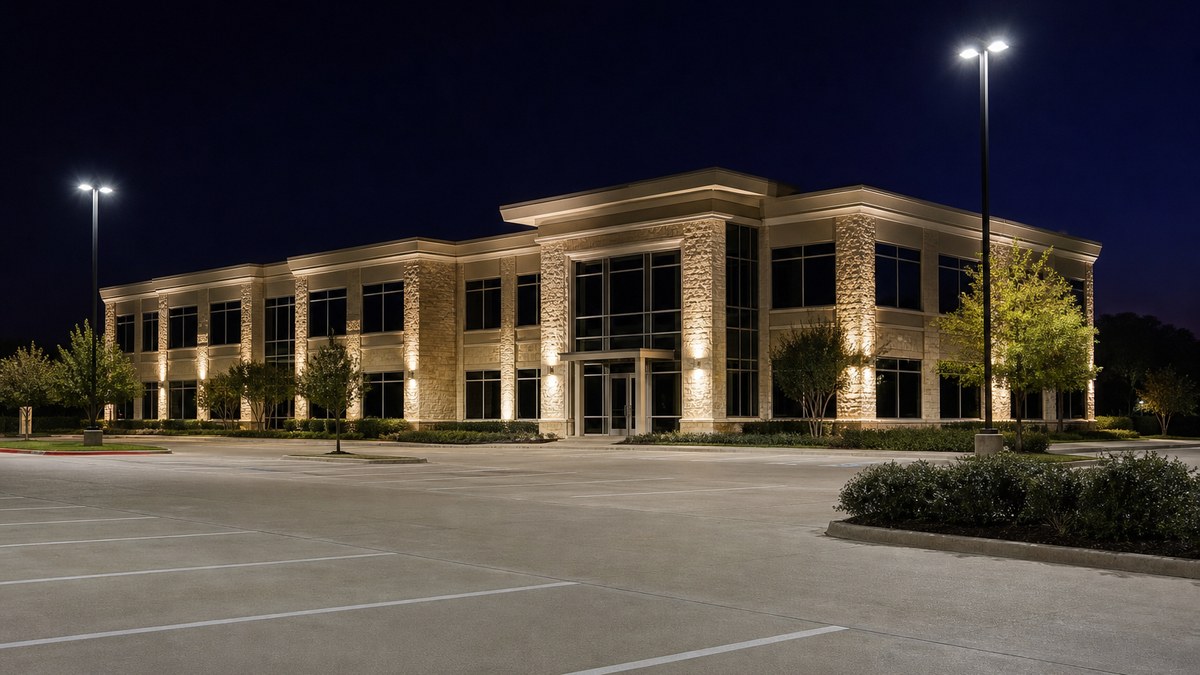
Old metal halide wall packs and shoebox poles are some of the most worthwhile fixtures to replace. Modern full-cutoff LED fixtures put light on the ground instead of into neighbors' windows, restart instantly after an outage, and work with photocells and scheduled dimming. See our lighting service and maintenance page for exterior repair options.
What a professional fixture replacement project includes
A commercial fixture replacement is a small construction project. Done well, it follows a predictable sequence:
- Walkthrough and fixture inventory: every fixture type, mounting, ceiling type, lamp and ballast, control and emergency fixture is documented, inside and out. Night checks are added for exterior lighting.
- Condition check: sockets, housings, lenses, wiring and ballasts are inspected to decide where tubes, kits or new fixtures make sense.
- Lighting goals: target light levels, color temperature, color rendering and appearance are agreed per space.
- Product selection and samples: a sample fixture or a small mockup area lets you see color, brightness and glare before the full order.
- Controls plan: existing switches, sensors, time clocks and dimmers are reviewed so new fixtures work with them, or are upgraded together.
- Incentive and code check: many commercial LED upgrades in the Oncor service area may qualify for energy-efficiency incentive programs, depending on the project and current program availability; most require approval before work begins. Energy code requirements depend on the scope of work and the code edition the City of Plano enforces.
- Project-specific proposal and schedule: scope, products, phasing and after-hours work are written down before anything is ordered.
- Installation: phased around business hours, with protection for furniture, floors and inventory.
- Recycling and disposal: old lamps, ballasts and fixtures are handled and recycled properly.
- Commissioning and closeout: controls are programmed, emergency lights tested, and you receive fixture schedules and product documentation.
Replacing fixtures across your building?
Tell us what you have and what is failing. We will follow up to schedule a walkthrough and a project-specific proposal.
Details that make or break a fixture replacement
Color consistency
Replacing fixtures a few at a time over several years is how buildings end up with a patchwork of colors. Choose one color temperature per space type, buy from tight color bins, and keep a record of the exact products so future replacements match. For most offices that means a neutral white; for retail and hospitality it depends on the brand.
Flicker and dimming compatibility
Not every LED driver works with every dimmer or control system. Flicker that is barely visible can still cause eye strain and headaches, and it shows up on cameras and video calls. Ask which drivers and dimming protocols are specified, and test samples across the full dimming range before ordering.
Ceiling types and access
Lay-in tile ceilings are the easiest to work in. Hard-lid drywall ceilings, high open ceilings, canopies and tall parking lot poles add access equipment, patching and planning. Older buildings may also have ceiling materials that require testing before disturbance; DOE guidance specifically flags asbestos in ceilings and PCB-containing ballasts as hazards to plan for in older buildings.
Emergency and egress lighting
Many fluorescent fixtures contain emergency battery packs that keep exit paths lit during an outage. When those fixtures are replaced, the emergency function has to be replaced too, either with LED fixtures that include emergency drivers or with separate emergency units. A replacement project should end with an emergency lighting test, not a surprise during the next fire inspection.
Product listings and labeling
Retrofit kits and modified fixtures should carry the proper safety listing for the modification, and ballast-bypass fixtures must be labeled so future maintenance staff know not to install fluorescent tubes. These details protect people and also matter to insurers and inspectors.
Licensed electrical work
In Texas, electrical work is performed by electricians licensed through the Texas Department of Licensing and Regulation, and work beyond a simple lamp change (ballast bypass, kits, new fixtures, new circuits) belongs with a licensed electrical contractor. Whether a specific project needs a permit depends on its scope; the City of Plano's building inspections department is the authority, and your contractor should confirm it before work begins.
Before you buy a pallet of LED tubes, pull one fixture apart. Note the ballast type and age, the socket condition and whether there is an emergency battery pack. Those three things decide whether tubes, kits or new fixtures make sense, and they take five minutes to check.
Recycling old lamps and ballasts
Fluorescent tubes, compact fluorescent lamps and HID lamps such as metal halide and high-pressure sodium contain mercury. Texas lets businesses manage these spent lamps under the state's universal waste rules, which the Texas Commission on Environmental Quality explains in its guidance for hazardous lamps. In practice that means:
- Keep lamps intact: pack them so they do not break, often in the boxes the new products arrived in.
- Label containers: mark them as universal waste lamps or used lamps, with the date accumulation started.
- Don't stockpile: storage time before shipping to a recycler is limited.
- Recycle, don't trash: recyclers separate mercury, glass and metal; most businesses cannot put these lamps in a municipal landfill.
Older magnetic ballasts can also contain PCBs and need separate handling. A professional replacement project should include a clear plan for collecting, packaging and recycling everything that comes out of the ceiling, and documentation you can keep for your records.
Replace all at once or in phases?
Group replacement (an entire floor, building or parking lot at once) gives the most consistent result, simplifies incentive paperwork and reduces repeated mobilization. Phased replacement spreads the work over time and can follow lease turnover or budget cycles. Many Plano owners use a mix:
- Exterior and common areas first: parking lots, wall packs, canopies, lobbies and corridors are owner-controlled and visible to every tenant and visitor.
- Vacant suites at turnover: install new fixtures before the next tenant moves in, when ceilings are easy to access.
- Occupied suites after hours: retrofit kits are well suited to occupied offices because they disturb ceilings less.
- Warehouse and back-of-house on a weekend: high bays can often be replaced in a short shutdown window.
Whichever approach you choose, set a lighting standard for the property (fixture families, color temperature, controls) so every phase matches the last. If you are planning a larger project, our guide to commercial LED lighting installation in Plano explains how to compare installers.
Fixture replacement and lighting controls
A fixture replacement is the cheapest time to add controls, because the ceiling is already open and the electrician is already on site. Options range from simple to sophisticated:
| Control | Works with | Typical use |
|---|---|---|
| Wall occupancy / vacancy sensors | Tubes, kits, new fixtures | Private offices, restrooms, storage rooms |
| Fixture-integrated sensors | Retrofit kits, new fixtures | Open offices, corridors, warehouse aisles, garages |
| Daylight dimming | Dimmable kits and new fixtures | Perimeter offices, storefront zones, atriums |
| Scene control | Dimmable fixtures | Conference rooms, restaurants, showrooms |
| Photocells and time clocks | Exterior fixtures | Parking lots, wall packs, canopies, signs |
| Networked lighting controls | New fixtures and compatible kits | Multi-floor offices, campuses, multi-site portfolios |
Energy codes may require certain controls when fixtures are replaced, depending on the scope of the alteration. We cover the options on our commercial lighting services page and in our business lighting services guide.
Fixture replacement for specialty and architectural lighting
Not every fixture is a troffer or a high bay. Lobbies, atriums, hotel and restaurant interiors, facades and landscapes often use architectural fixtures (linear coves, wall grazers, color-changing RGBW, in-grade uplights) that need matched replacements to keep a design intact. When a few architectural fixtures fail, finding an exact or visually matching product matters more than the lowest price. Our architectural lighting services and Luminance design-build program handle these projects, from a single facade zone to a complete redesign.
For signature features, our network includes fiber optic starlight ceilings, 360° fiber optic lighting for fountains and features, and LED signage for building and monument signs. We also coordinate LED video walls when a lobby refresh includes a display.
What affects the cost of fixture installation and replacement
Plano LED Lights is quote-only: every building is different, so we price each project after a walkthrough. The main factors are:
- Quantity and fixture types: how many fixtures and how many different kinds
- Replacement method: tubes, retrofit kits, new fixtures or a mix
- Fixture quality: optics, color rendering, driver quality and finish
- Controls: from basic sensors to networked systems
- Access: ceiling type and height, lifts, pole heights, occupied spaces
- Electrical condition: circuits, wiring and any code corrections
- Emergency lighting: battery packs, emergency drivers or separate units
- Schedule: after-hours and phased work
- Disposal: recycling of lamps, ballasts and old fixtures
You receive a written, project-specific proposal before any work begins. For component sourcing, our network also includes wholesale LED components.
Questions to ask before you hire
- Will you inventory every fixture, control and emergency light before quoting?
- Which spaces get tubes, kits or new fixtures, and why?
- What color temperature, CRI and driver are specified, and can we see a sample?
- Will the new fixtures work with our existing controls, or do they need to change too?
- How will emergency lighting be handled and tested?
- Is the electrical work done by licensed electricians, and who confirms permit requirements?
- How will old lamps and ballasts be recycled, and will we get documentation?
- Who do we call if a fixture fails after the project?
Plano LED Lights brings 15+ years as an authorized architectural lighting dealer and project coordinator. Our licensed installation partner has completed over 200 major sports and commercial projects across the US and Canada — NFL, NBA, NHL, MLS, NCAA and NASCAR. We handle the walkthrough, product selection, installation, programming and service with one accountable team. See all of our services and the areas we serve.
Frequently Asked Questions
Should I replace my fluorescent fixtures or just install LED tubes?
What is the difference between Type A, Type B and Type C LED tubes?
What is an LED retrofit kit?
Do I need an electrician to replace commercial light fixtures?
Can fixtures be replaced while my business stays open?
What happens to emergency lights when fixtures are replaced?
How should old fluorescent lamps and ballasts be disposed of in Texas?
Will new LED fixtures work with my existing dimmers and sensors?
Do fixture replacements qualify for incentives in Plano?
How much does commercial light fixture installation cost in Plano?
Ready to replace tired fixtures?
Request a consultation, call us, or schedule a meeting and we will plan a walkthrough of your building.
Related
Our DFW lighting network: Dallas commercial LED lighting, Fort Worth LED lighting, Arlington LED lighting, Irving LED lighting, statewide Texas LED lighting, wholesale LED components, fiber optic starlight ceilings, 360° fiber optic lighting, premium pool lighting, modular building solutions, and Dallas modular structures.